+27 83 946 6867
About Us
our introduction
Making a Lasting Impact on Communities
VNA Education excellence (VNA-EE) was created with THREE specific objectives, guided by the United Nations Sustainable Development Goals (SDG). The first objective aims to ensure inclusive and equitable quality education and promote lifelong learning opportunities for all (SDG 4). The second objective is focused on schools’ water program that seek to improve the lives of learners and measurably contribute to the United Nation’s Sustainable Development Goal on clean water and sanitation access (SDG 6). The third objective focuses on a share of the population that has access to consistent sources of electricity, focusing on access where the primary source of lighting is the local energy provider, solar systems, mini-grids and stand-alone systems (SDG 7).

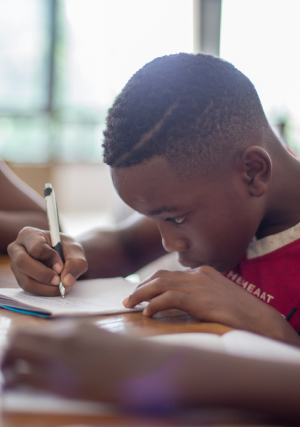
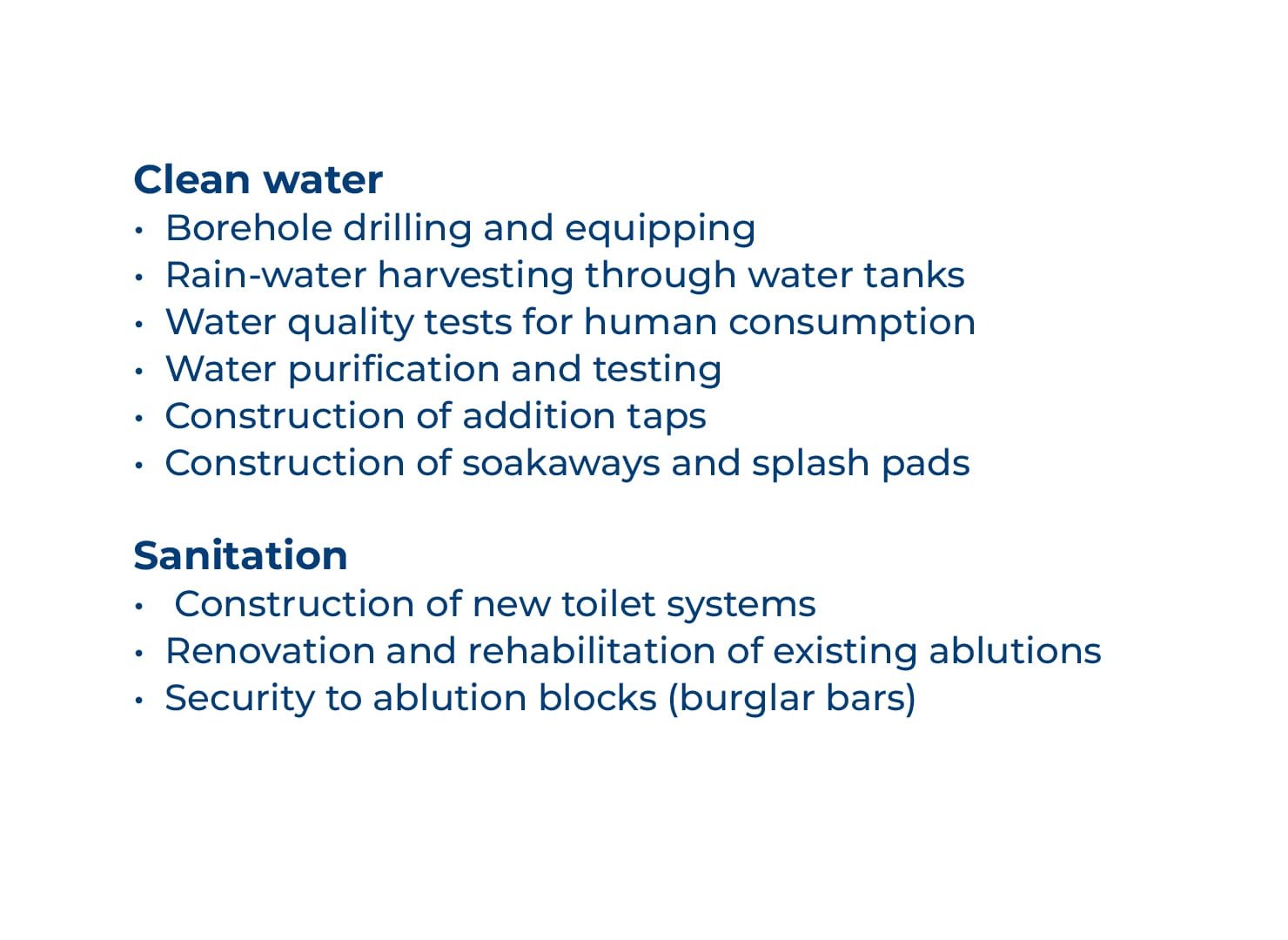
With programmes designed and managed by VNA-EE, the program addresses specific community needs and create long-lasting impact through water-based activities by partnering with other like-minded partners and civil society partners for collective action. This is done by Implementing projects in nearly every province in the country and becoming one of the country’s most impactful community water initiatives.
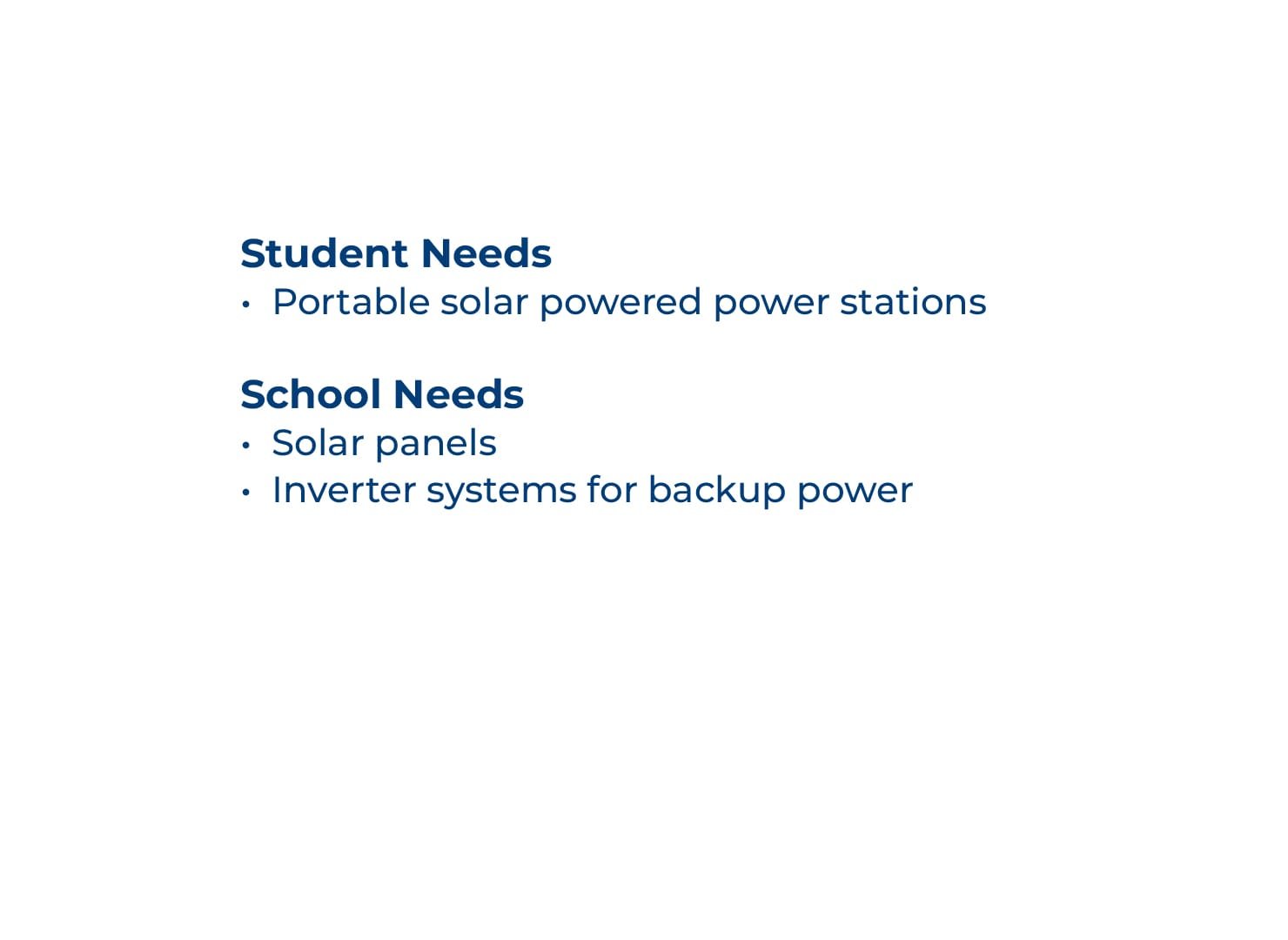
Loadshedding, the planned power outage imposed by the government to manage electricity supply, has become part of our daily lives. While the effects of loadshedding are felt across different sectors of society, schools are one of the most affected institutions. Loadshedding is crippling schools and their systems, but there are viable solution donor/funders can invest in to help them “keep the lights on”.
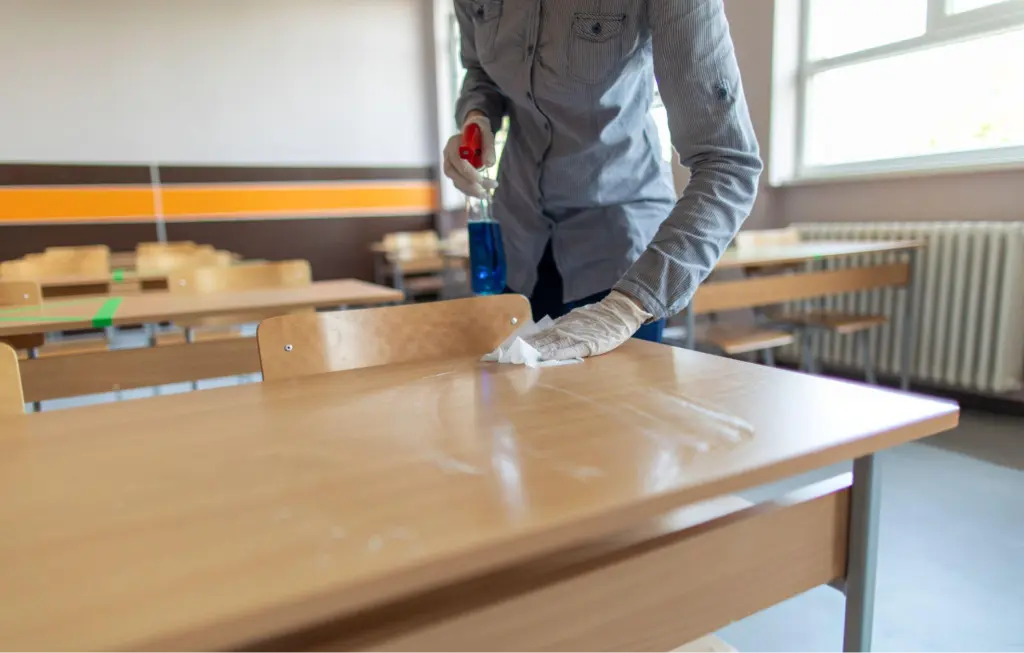
School health education concerns all activities that concern health and reduce health risks of school children. The aim is to stimulate change and provide ideas and guidance to all those who want to make schools centres of learning, practising and diffusion of good sanitation and hygiene practices for the children, their teachers and parents. They in return disseminate the information to the communities at large. Hygiene education primarily aims at changing behavior towards good or safe practices in relation to personal, water, food, domestic and public hygiene.

When children become partners in promoting health, they contribute by spreading messages they have learnt from teachers, health workers or other sources to their peers and the community at large. It would be wise to encourage adoption of young children by older children. The younger children copy, admire and listen easily to their advices. Children, through their innocence can often remind adults that their actions are unwise or unsafe. They can act as the conscience of a community.
